Where Passion Meets Portfolio: The Rise of Wildlife Photography as a Collector's Investment
For decades, the fine art world has regarded photography with a certain institutional ambivalence — celebrated in museums, yet sometimes underestimated in auction rooms dominated by oil on canvas. That perception has shifted decisively. Across the United States, a growing cohort of collectors is treating fine art photography not as a secondary asset but as a cornerstone of diversified investment portfolios. Within that broader movement, wildlife photography — and the work of Paul Nicklen in particular — occupies a distinctive and increasingly valuable position.
A Market Maturing in Real Time
The photography market has undergone remarkable transformation over the past two decades. According to art market analysts, fine art photography sales at major auction houses have grown steadily, with limited-edition prints by recognized artists commanding prices that rival works in other established media. What was once considered a collector's curiosity has become a recognized asset class, drawing attention from wealth managers, estate planners, and institutional buyers who once focused exclusively on painting and sculpture.
Wildlife photography, in particular, benefits from a confluence of forces that other photographic genres do not always share. The subject matter carries inherent emotional weight — images of vanishing ecosystems and endangered species resonate with collectors who are simultaneously moved by beauty and motivated by purpose. That dual appeal, aesthetic and ethical, has proven to be a remarkably durable driver of long-term demand.
"There is a segment of the market where people are buying with both their hearts and their heads," notes one New York-based art advisor who works with clients assembling photography collections. "When a work by Paul Nicklen comes to market, you are not just acquiring a photograph. You are acquiring a document of a world that may not exist in the same form a generation from now. That scarcity — both of the edition and of the subject itself — is a genuine value driver."
The Architecture of Value: Editions, Authentication, and Provenance
Understanding how value is constructed in the photography market requires familiarity with a few foundational concepts that differ meaningfully from other collecting categories.
Limited editions are perhaps the most critical factor. Unlike paintings, photographs can theoretically be reproduced without limit, which is precisely why serious photographers and galleries impose strict edition sizes. Paul Nicklen's gallery releases prints in carefully controlled editions, often numbered and accompanied by certificates of authenticity. Smaller edition sizes — particularly artist's proofs and prints from the earliest runs — command the highest premiums, both at initial release and on the secondary market.
Authentication is equally essential. Provenance documentation, gallery receipts, and direct purchase from an authorized source such as the Paul Nicklen Gallery provide the chain of custody that protects a collector's investment. Works acquired through unauthorized channels or without proper documentation carry significantly greater risk, both in terms of authenticity and future resale value.
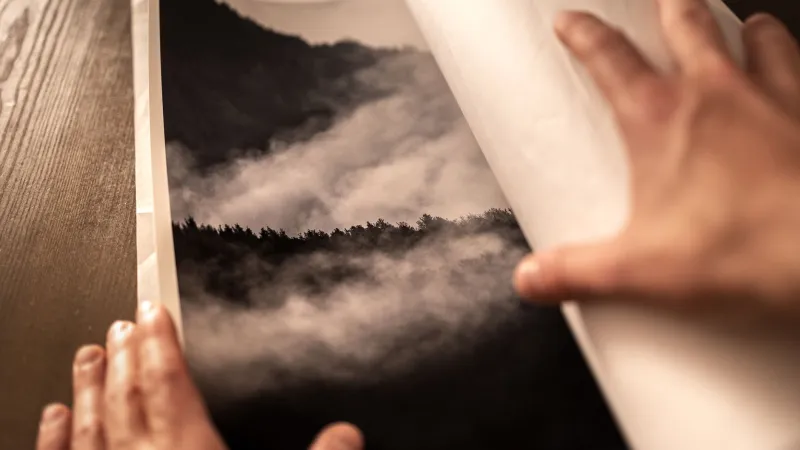
Print quality and archival standards also matter considerably. Nicklen's works are produced using museum-grade archival materials, ensuring that color integrity and structural stability are maintained over generations. For collectors thinking in terms of estate planning or long-term appreciation, this technical foundation is not a minor detail — it is a prerequisite.
What Makes Certain Images Appreciate
Not every wildlife photograph appreciates in equal measure, and experienced collectors have developed criteria for identifying works with the strongest long-term prospects.
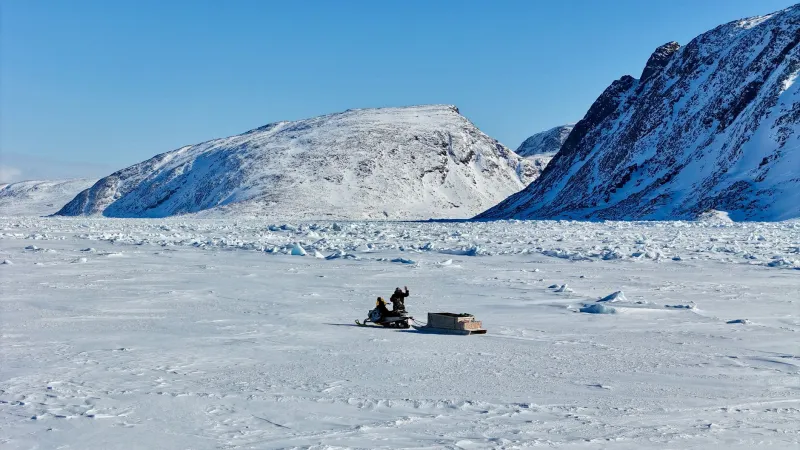
Iconicity is one key indicator. Images that capture a singular, unrepeatable moment — a leopard seal offering a penguin to the lens, a polar bear navigating thinning Arctic ice — possess a narrative power that sustains cultural relevance across time. Paul Nicklen's most celebrated works fall squarely into this category. They are not merely beautiful compositions; they are visual records of encounters that defined careers and changed public understanding of fragile ecosystems.
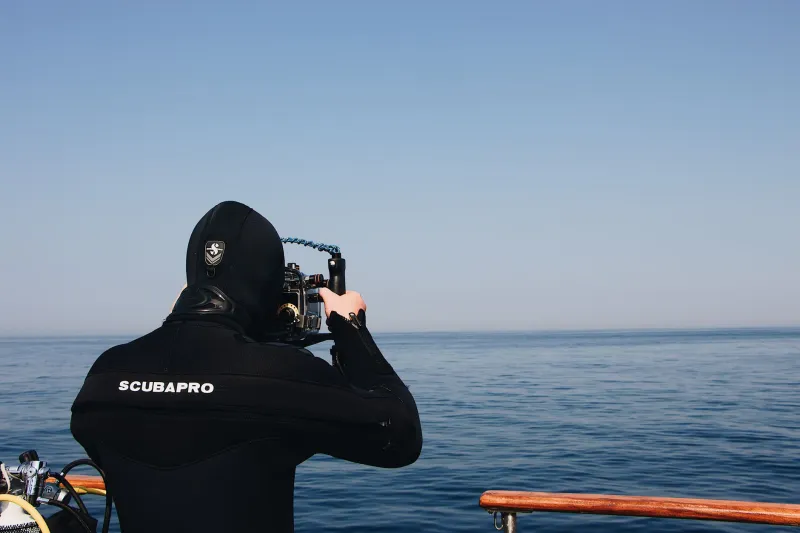
Artist recognition and institutional validation also play a significant role. Nicklen's credentials — National Geographic assignments, conservation accolades, co-founding of the nonprofit SeaLegacy — provide the kind of documented cultural significance that auction houses and secondary market buyers take seriously. When a work is acquired from an artist with an established critical and institutional profile, collectors benefit from a foundation of credibility that supports future valuation.
Finally, subject matter tied to conservation urgency carries a forward-looking dimension that purely aesthetic works sometimes lack. As climate change accelerates and biodiversity loss intensifies, images that document threatened environments may appreciate in cultural and monetary value precisely because the worlds they depict become increasingly rare.
The Collector's Perspective: Balancing Beauty and Strategy
For many buyers entering the wildlife photography market, the initial motivation is deeply personal. Collectors frequently describe encountering a Nicklen image and experiencing an immediate, visceral response — a sense of wonder, grief, or resolve that compels acquisition. The investment dimension often becomes apparent only afterward, as collectors research the market and discover that what moved them emotionally also happens to be sound financially.
This alignment of passion and prudence is not accidental. It reflects the particular power of work that operates simultaneously as art, journalism, and advocacy. Collectors who acquire with genuine feeling tend to hold their pieces through market fluctuations, reducing the volatility that can undermine speculative collecting. The result is a stable, committed ownership base that supports consistent secondary market performance.
Several collectors interviewed for this piece emphasized the importance of viewing wildlife photography acquisitions with a long horizon — five to ten years at minimum. "This is not a market for flipping," one Los Angeles-based collector observed. "But for people who are building collections with intention, who understand what they are buying and why it matters, the trajectory has been consistently encouraging."
Entering the Market with Confidence
For those considering their first acquisition of a Paul Nicklen work, the gallery recommends beginning with a direct consultation. Understanding edition availability, print specifications, and the artist's current body of work allows prospective collectors to make informed decisions rather than reactive ones. The gallery team is equipped to discuss not only the aesthetic qualities of individual works but also the contextual factors — edition size, historical significance of the subject matter, and the artist's ongoing projects — that inform a collector's understanding of long-term value.
The broader lesson of the wildlife photography market is one that resonates well beyond any single artist or genre: when art is grounded in genuine urgency and executed with exceptional craft, it tends to endure. Paul Nicklen's images of the polar regions, the ocean depths, and the creatures that inhabit these imperiled worlds represent exactly that kind of work — beautiful enough to stop a room, meaningful enough to hold a generation.
For collectors building portfolios around both conviction and craftsmanship, that combination is increasingly difficult to find, and increasingly valuable when it is.