What the Archive Doesn't Show: The Hidden Decisions Behind Paul Nicklen's Most Celebrated Images
A finished Paul Nicklen photograph arrives at a collector's home fully formed—luminous, resolute, and carrying the quiet authority of an image that seems to have always existed. What that print conceals is a vast, shadow archive of rejected frames, abandoned compositions, and near-misses that made its perfection possible. Understanding what Nicklen chooses to leave behind is, paradoxically, one of the most illuminating ways to understand what he chooses to keep.
The Volume of Silence
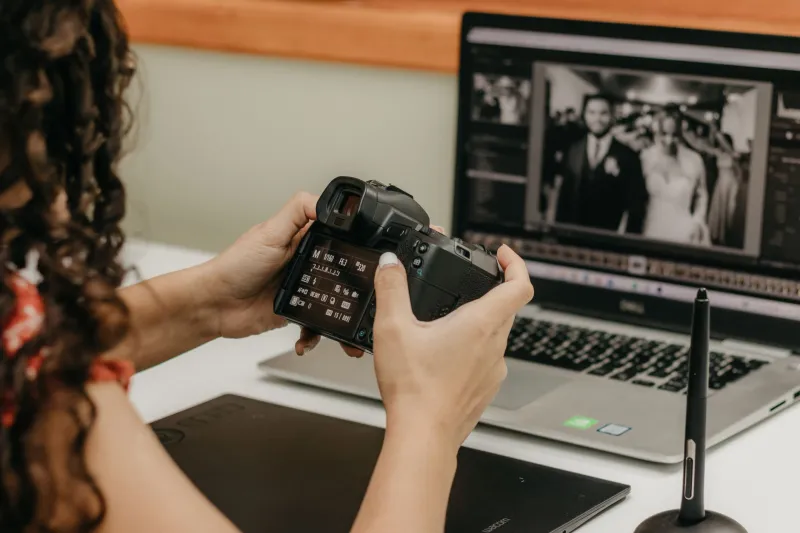
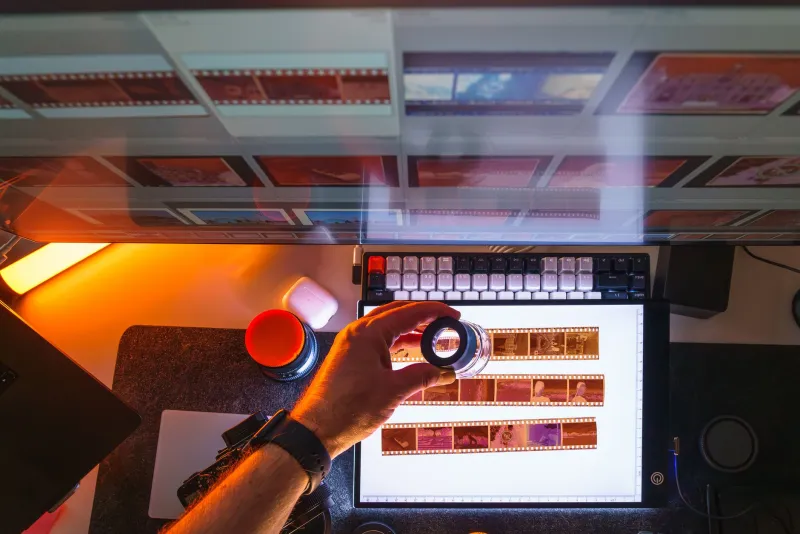
On a single expedition into the high Arctic, Nicklen may return with tens of thousands of raw files. From that volume, a handful of images will advance to serious consideration. Fewer still will survive the editorial process he applies with the same discipline a sculptor brings to stone. The rejected images—what photographers sometimes call the outtakes—are not failures. They are the record of a mind actively at work, testing hypotheses about light, timing, and emotional resonance in real time.
Collectors who acquire a Nicklen print are acquiring the endpoint of that process, but they are also inheriting its entire invisible history. The tension in a final image, the sense that something rare and unrepeatable has been preserved, exists precisely because thousands of alternative versions were quietly set aside.
Composition as Argument
Many of Nicklen's outtakes are technically accomplished by any conventional standard. Exposure is correct. Subject matter is present. The animal is sharp, the horizon level, the color palette coherent. And yet something is absent—a quality that Nicklen himself has described as the photograph's willingness to speak. In frame after frame from any given encounter, that quality remains just out of reach, until suddenly, in one image, it arrives.
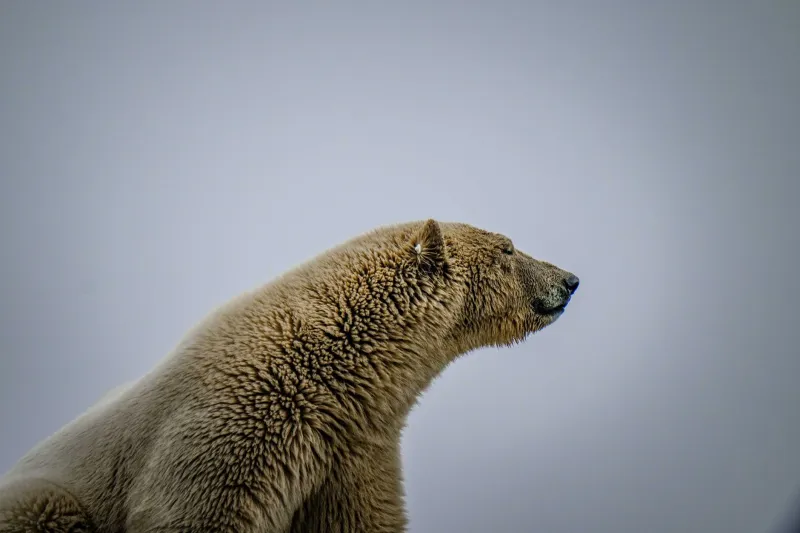
Examining a sequence of outtakes alongside the image Nicklen ultimately selects reveals how much of his artistic vision operates below conscious articulation. A polar bear captured three frames earlier occupies nearly the same position in the frame, yet the selected image carries a gravity its predecessor lacks. The difference may be a subtle shift in the animal's gaze, a change in the quality of reflected light off the ice, or a barely perceptible adjustment in Nicklen's own position relative to the subject. These micro-decisions accumulate into what we recognize, on the gallery wall, as mastery.
The Discipline of Rejection
For collectors accustomed to thinking about art in terms of what is present—the subject, the color, the composition—Nicklen's archive invites a different kind of attention. What makes his editorial process extraordinary is not merely what he accepts but the rigor with which he refuses images that most photographers would consider successes.
This standard of rejection is, in many respects, the foundation of the gallery's value proposition. A Nicklen print commands the attention it does because every image that reached the gallery wall survived an elimination process of extraordinary severity. The outtakes are the silent guarantors of the finished work's authority.
Art advisors who work with serious collectors often note that understanding an artist's rejection criteria is one of the most reliable indicators of long-term artistic significance. An artist who accepts too readily produces a body of work that dilutes itself. One who rejects with precision creates a catalog in which every piece carries genuine weight.
Intuition and Technical Judgment in Conversation
What separates Nicklen's outtake process from mere quality control is the way technical judgment and artistic intuition operate simultaneously. He is not simply asking whether an image is correctly exposed or compositionally balanced. He is asking whether it contains something true—whether it captures not just the appearance of a wild creature but some essential fact about its existence in a particular place at a particular moment.
This dual standard—technical rigor and emotional authenticity—creates a demanding filter. An image can fail on either criterion independently. A photograph may be technically flawless yet emotionally inert, beautiful in a decorative sense but unwilling to generate the kind of sustained attention that distinguishes art from illustration. Conversely, an image may carry genuine emotional charge but lack the technical precision that allows it to function at the scale and print quality Nicklen's collectors expect.
The outtakes that come closest to selection are frequently those that satisfy one criterion fully while falling just short of the other. They are the most instructive images in the archive precisely because they define, by near-proximity, the threshold Nicklen has set.
What Collectors Are Really Acquiring
For those who collect Nicklen's work, the outtake archive represents something more than a behind-the-scenes curiosity. It is evidence of a creative philosophy that treats the wilderness not as a subject to be captured but as a conversation to be entered with patience, humility, and a willingness to wait for the image that earns its place on a gallery wall.
Every print in the Paul Nicklen Gallery carries within it the weight of what was left behind. The silence between those frames is not empty—it is the space in which artistic vision does its most essential work. Collectors who understand that silence understand something fundamental about why these images endure.